

Lavender syrup for coffee sounds like something that belongs on a café menu with a $6.50 price tag — and for a while, it did. But here’s the secret: lavender syrup is one of the easiest flavored syrups you can make yourself. It takes about 10 minutes, three ingredients, and a pot you already own. The result is a floral-sweet syrup that turns an ordinary iced latte into something that tastes like spring in a glass. This guide to homemade lavender syrup coffee walks you through the right culinary lavender, the perfect ratios, and storage tips for your first batch.
If you’ve made our vanilla or caramel syrups, the method will feel instantly familiar: sugar, water, and a flavoring steeped in. Lavender just brings a more delicate, aromatic twist — light floral notes up front, a clean sweet finish, and none of the heaviness of chocolate-based syrups. It pairs beautifully with espresso, cold brew, matcha, and even sparkling water for a lavender lemonade crossover that non-coffee drinkers love.
The one thing that makes lavender syrup slightly different from other homemade syrups is the lavender itself. Not all lavender is safe — or pleasant — to eat. So before we get to the recipe, let’s cover exactly which lavender to buy, how much to use, and the one mistake that turns a lovely floral syrup into a soapy disappointment.
What Does Lavender Syrup Taste Like in Coffee?
Done right, lavender syrup for coffee tastes floral without tasting like perfume. Think of the first sip of a lavender iced latte: light, sweet, slightly herbal, with the floral note sitting underneath the coffee rather than on top of it. The espresso still tastes like espresso — the lavender just softens the edges and adds an aromatic lift that makes the whole drink feel lighter and more refreshing.
Done wrong, it tastes like soap. That’s the number-one fear people have about lavender in food, and it’s a legitimate one — but it almost always comes down to using too much. Lavender is potent: the difference between “elegantly floral” and “bath products” is about a tablespoon. Stick to the ratios below and you’ll land in the safe zone every time.
In hot drinks, the floral note reads warmer and cozier. In iced drinks, it reads brighter and more refreshing, which is why the lavender iced latte became a spring-and-summer café staple. It’s also one of the few coffee syrups that works beautifully in non-coffee drinks, from lemonade to sparkling water, so a single batch rarely sits unused.
Culinary vs. Ornamental Lavender: The Safety Note That Matters
This is the most important section of this recipe, so read it before you buy anything.
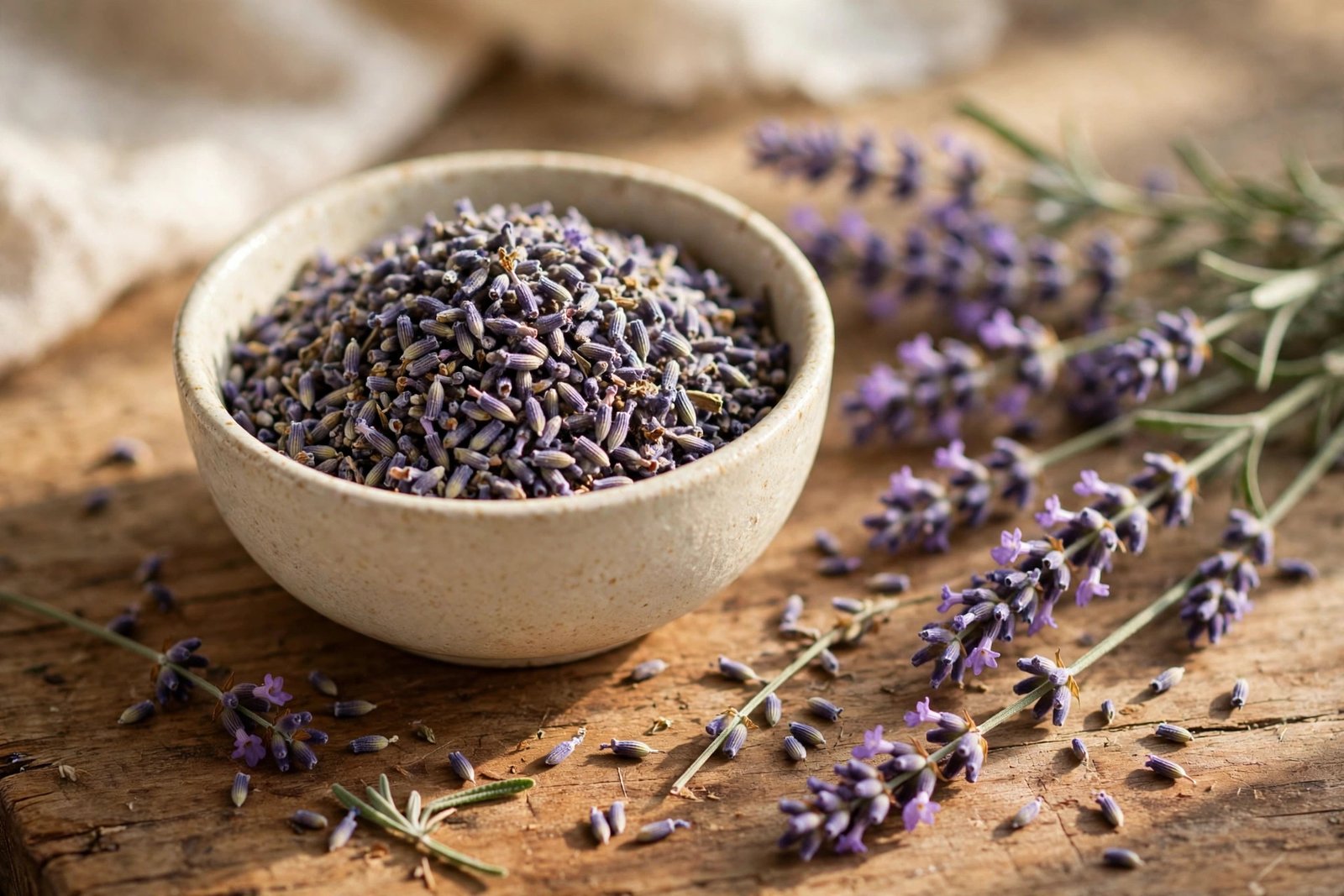
Only use culinary-grade lavender — labeled “culinary lavender,” “food-grade,” or “edible lavender” — in your syrup. Culinary lavender is almost always Lavandula angustifolia (English lavender), the variety bred for a sweet, low-camphor flavor. It’s the same lavender used in French herbes de Provence and countless bakery recipes. You can read more about the species on Wikipedia’s Lavandula angustifolia page.
Do not use ornamental or decorative lavender from a craft store, a florist, or a garden center’s decorative aisle. Ornamental varieties (often lavandin hybrids) are bred for strong fragrance and bright color, not for eating — they’re high in camphor, which tastes bitter and medicinal, and decorative dried lavender is frequently treated with pesticides or dyes that are not food-safe.
Do not pick random lavender from a garden or a landscaping bed unless you know with certainty what variety it is and that it has never been sprayed with pesticides or herbicides. “It looks like lavender” is not a food-safety test.
Where to buy culinary lavender: spice shops, natural-food stores, tea shops, and the bulk spice section of well-stocked grocery stores all carry it. Dried culinary lavender buds are the standard choice — they’re inexpensive (usually $5–$10 for a bag that makes many batches), keep for a year or more in a sealed jar, and are easy to measure. If you’re ordering online, stick to food retailers rather than craft suppliers.
One more safety note: lavender is generally recognized as safe in normal culinary amounts, but it’s a strongly flavored botanical. If you’re pregnant, nursing, or serving this to small children, a light hand is the cautious move — and if you have plant allergies, check with a professional first.
Ingredients and Tools
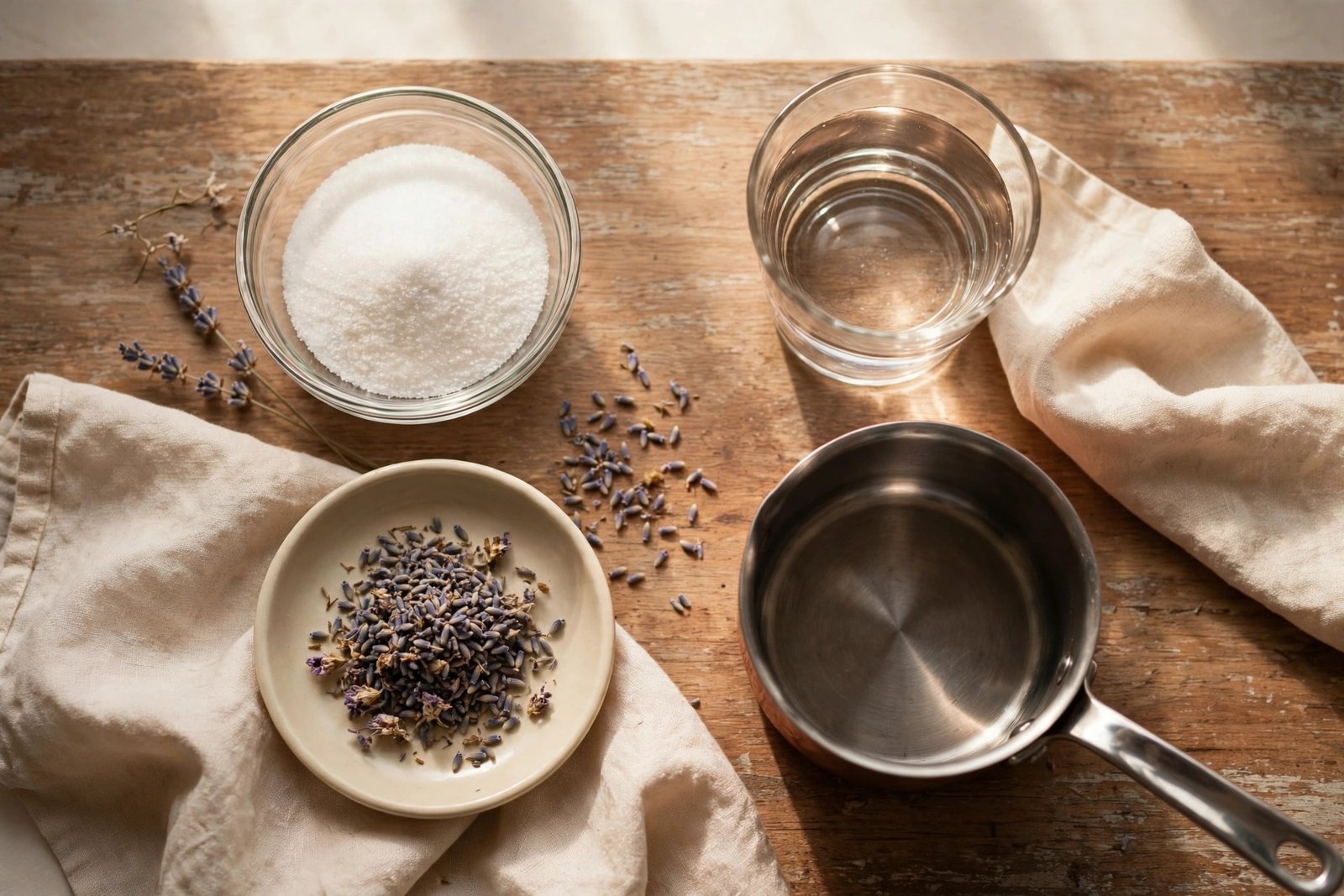
You need exactly three ingredients:
- 1 cup water
- 1 cup granulated sugar — plain white sugar gives the cleanest flavor and the palest color, which shows off the syrup’s faint violet tint. Raw or turbinado sugar works but will mute the floral note and darken the syrup.
- 2 tablespoons dried culinary lavender buds — this is the ratio that keeps things floral without tipping into soap. If your buds are very fresh and fragrant, you can pull back to 1½ tablespoons.
Tools: a small saucepan, a spoon, a fine-mesh strainer, and a clean glass bottle or jar with a lid. That’s it — no candy thermometer, no special equipment.
Optional: a strip of lemon peel steeped with the lavender adds brightness; ½ teaspoon of vanilla extract stirred in after straining rounds out the flavor. Homemade syrup is naturally a pale violet-gray — some cafés add violet coloring for a vivid purple look, but we skip it. The flavor is the point.
How to Make Lavender Syrup: Step by Step
Total time: about 10 minutes active, plus 30 minutes of steeping while you do something else.
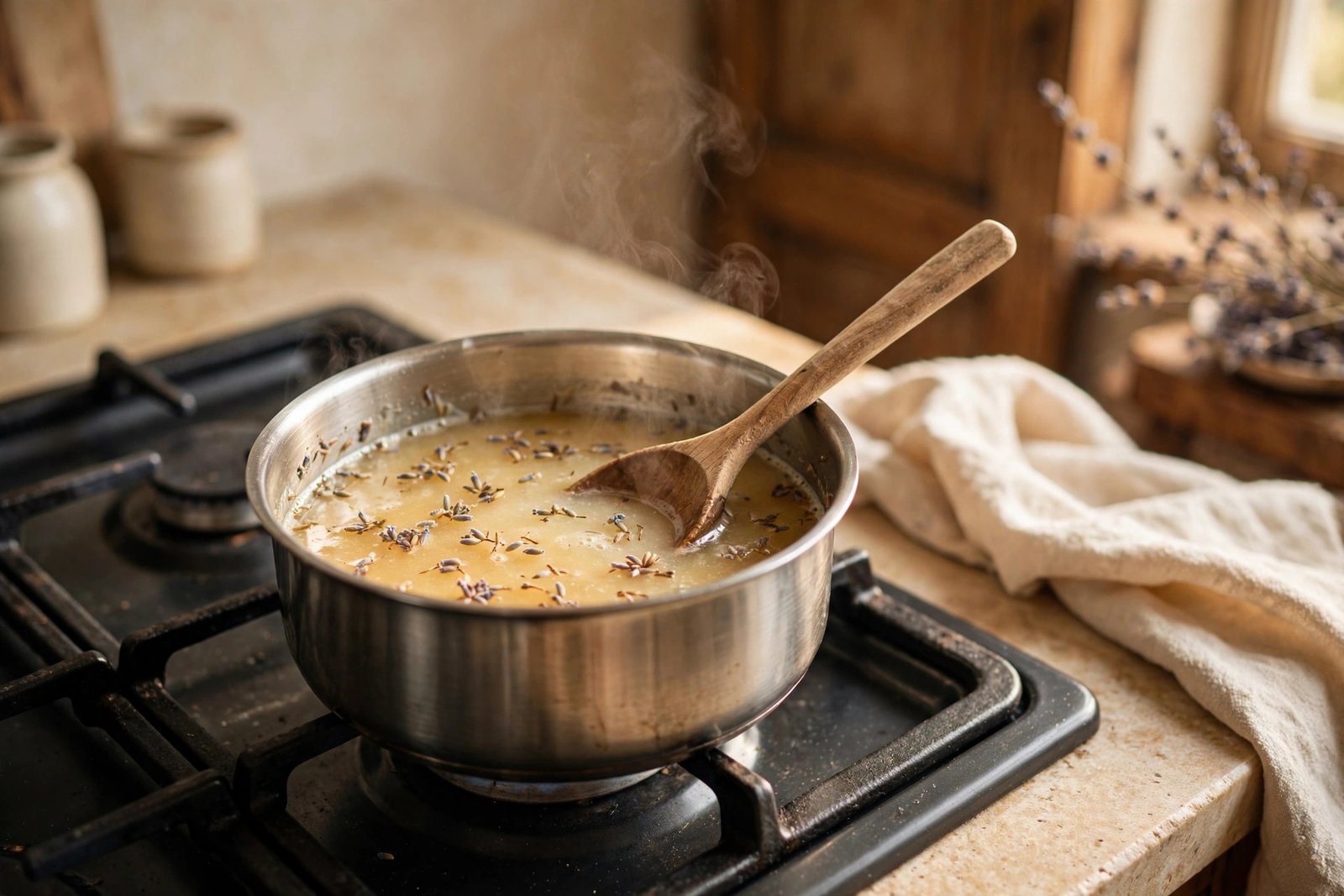
- Combine the water and sugar in a small saucepan. Heat over medium, stirring, until the sugar dissolves completely. You don’t need a rolling boil — just enough heat to dissolve the sugar, which keeps the flavor clean.
- Stir in the lavender buds. Give them a gentle press with the back of the spoon to help release their oils, then remove the pan from the heat.
- Steep for 30 minutes. Cover the pan and let it sit off the heat. This is where the magic happens: the hot syrup extracts the floral oils slowly, without the harshness that prolonged boiling would pull out. Don’t steep longer than 45 minutes — that’s where soapy territory begins.
- Strain through a fine-mesh strainer into your bottle or jar. Press the buds gently to get every last drop. If you see tiny bud fragments in the syrup, strain a second time or pour it through a coffee filter.
- Cool completely, then cap and refrigerate. The syrup will keep its flavor best once chilled.
That pale violet-gray color is normal — commercial syrups are often vividly purple only because of added color. What matters is the aroma: it should smell like a lavender field, sweet and clean.
Storage: How Long Does Lavender Syrup Last?
Stored in a sealed glass bottle in the refrigerator, homemade lavender syrup stays fresh for 3–4 weeks. Use a clean, fully dry bottle; keep it refrigerated (no preservatives means the counter is not an option); pour rather than dipping used spoons into the bottle; and trust your nose — if it smells off, looks cloudy, or shows any mold, toss it.
For longer storage, freeze the syrup in ice cube trays, then transfer the cubes to a freezer bag — they keep for 3–6 months and thaw into perfect single-drink portions.
5 Drinks to Make With Your Lavender Syrup
One batch of syrup makes roughly 12–16 drinks. Here’s how to put it to work:
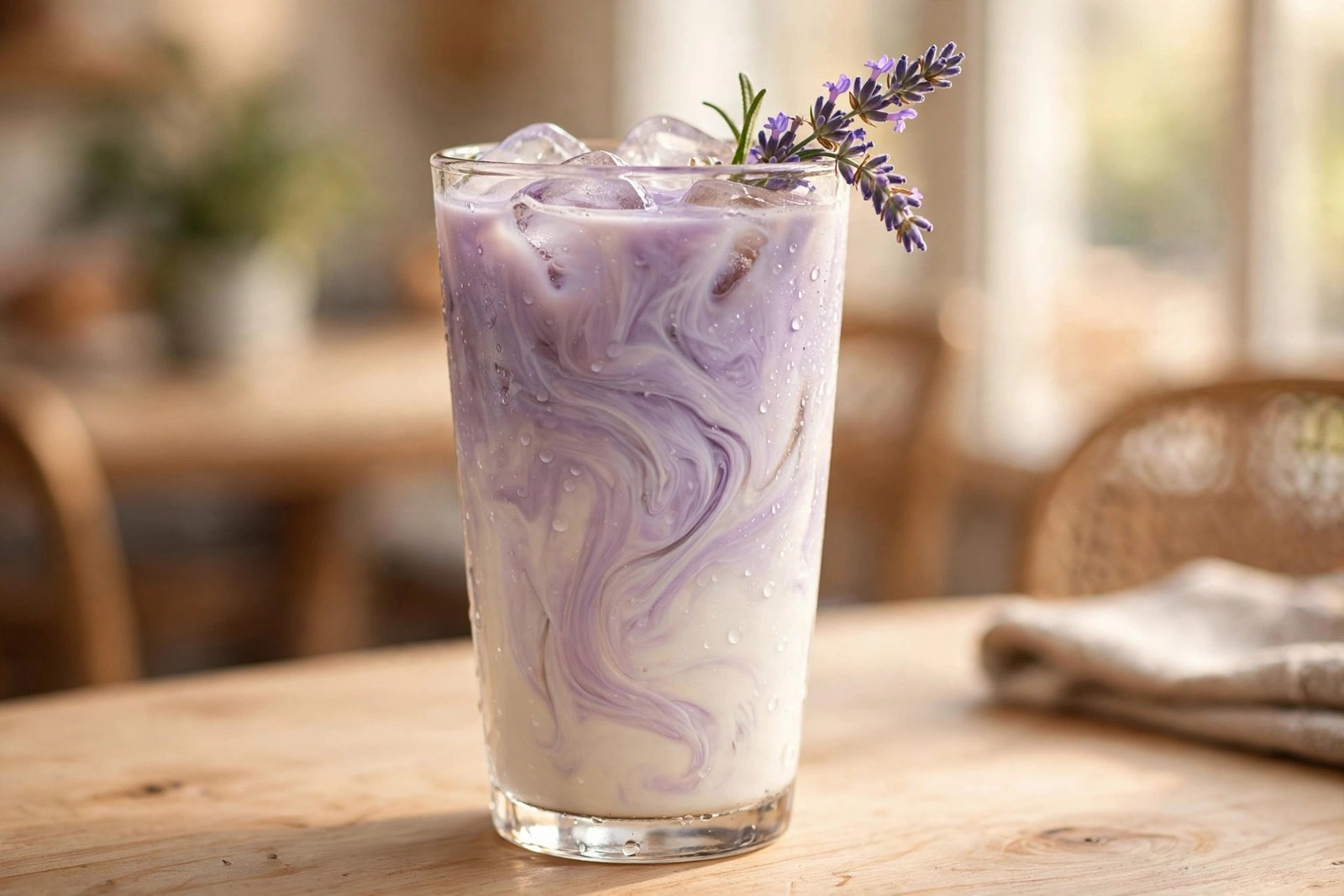
1. Lavender Iced Latte (the classic). Fill a tall glass with ice. Add 2 tablespoons (1 oz) of lavender syrup, 2 shots of espresso (or ½ cup strong cold brew), then top with ¾ cup cold milk. Stir and taste — add more syrup if you like it sweeter, but start light. The milk softens the floral note into something creamy and dreamy. Oat milk is an especially good pairing; its natural sweetness complements lavender beautifully.
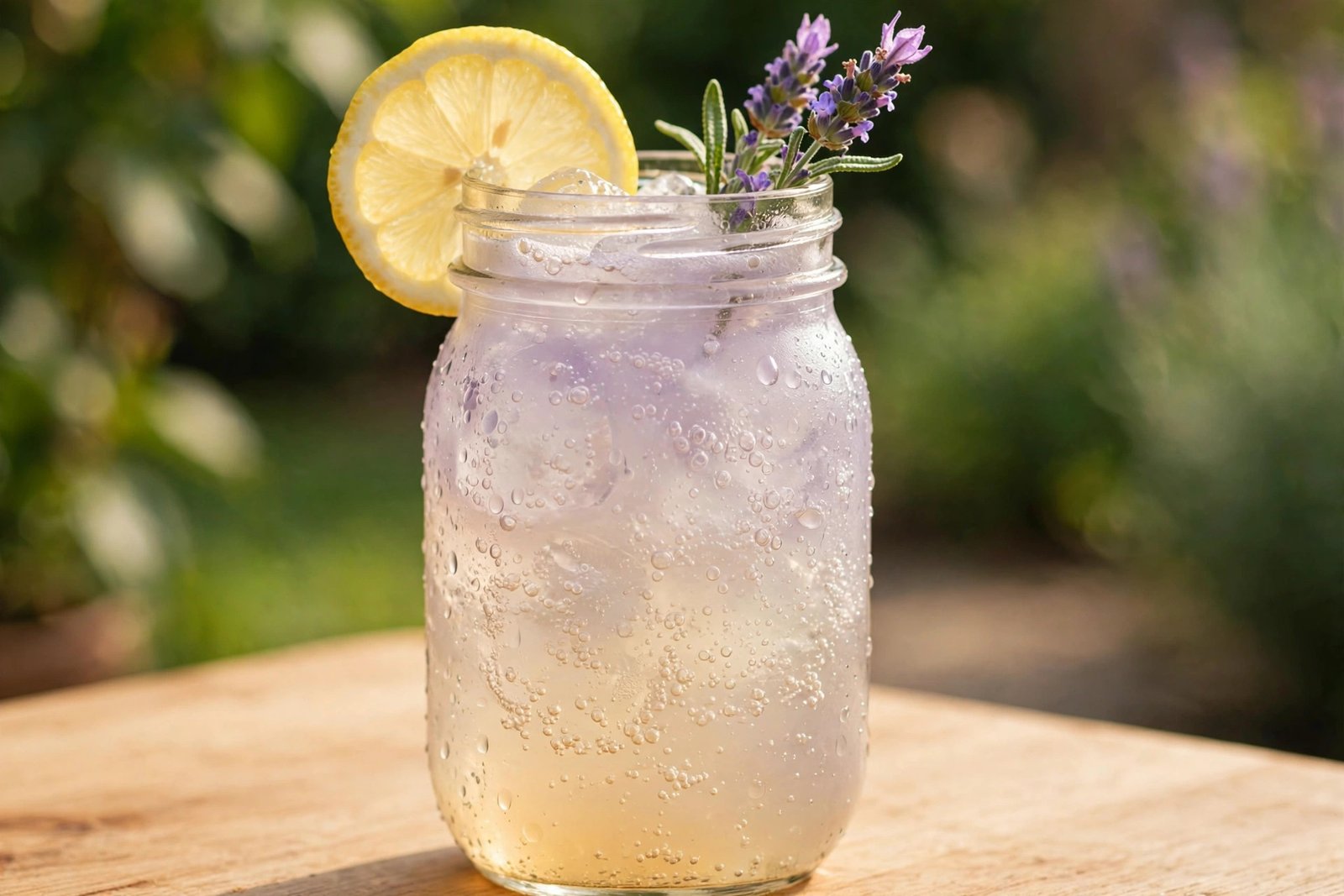
2. Lavender Lemonade (the crossover hit). Mix 2 tablespoons of lavender syrup with 1 cup of lemonade (homemade or store-bought) over ice, and top with sparkling water. This is the drink that converts non-coffee drinkers — floral, tart, refreshing, and gorgeous with a lemon wheel and a sprig of fresh lavender as garnish. Make a pitcher for spring gatherings.
3. Hot Lavender Latte. Warm ¾ cup milk until steaming (not boiling), whisk in 2 tablespoons of lavender syrup, and pour over 2 shots of espresso. A light dusting of dried culinary lavender on the foam looks stunning. This is a genuinely cozy drink — the warmth brings out a honey-like quality in the lavender.
4. Lavender Cold Brew. Add 2 tablespoons of syrup to a glass of cold brew over ice, with a splash of cream or sweet cream. Cold brew’s natural chocolate notes plus lavender’s floral lift is an underrated combination — smoother and less acidic than the espresso version.
5. Lavender Italian Soda. Fill a glass with ice, add 2–3 tablespoons of syrup, top with sparkling water, and stir gently. Add a splash of half-and-half for a lavender cream soda — caffeine-free and kid-friendly (with the allergy caveat above).
Serving ratio rule of thumb: start with 1–2 tablespoons (½–1 oz) of syrup per 12-oz drink and adjust. Lavender is stronger than vanilla or caramel — when in doubt, use less.
Troubleshooting: Fixing Common Lavender Syrup Problems
It tastes like soap. Too much lavender or too long a steep. Next batch: drop to 1½ tablespoons of buds and steep exactly 30 minutes. For the current batch, dilute it — mix it half-and-half with plain simple syrup (equal parts sugar and water, heated until dissolved) to tame the floral intensity.
The floral flavor is barely there. Your buds may be old — dried lavender loses potency after about a year. Buy fresh culinary buds, and make sure you’re using buds (the flower heads), not stems or leaves, which have a grassier flavor.
It’s cloudy. Usually just fine bud dust that slipped through the strainer. Strain again through a coffee filter. Cloudiness alone isn’t a spoilage sign — smell is the real test.
Homemade Lavender Syrup Coffee FAQs
Is lavender syrup safe to drink in coffee? Yes — as long as you use culinary-grade, food-safe lavender (Lavandula angustifolia) in normal recipe amounts. Avoid ornamental or craft-store lavender, which may be treated with pesticides or dyes and comes from high-camphor varieties that taste medicinal. When in doubt, buy lavender labeled specifically for culinary use from a food retailer.
How much lavender syrup should I put in a latte? Start with 1–2 tablespoons (½–1 oz) per 12-ounce drink. Lavender is more potent than vanilla or caramel syrup, so less is more — you can always add more, but you can’t take it out. For a standard iced latte, 2 tablespoons is the sweet spot for most people.
Why does my lavender syrup taste like soap? Almost always over-steeping or too many buds. Lavender’s floral compounds turn soapy when over-extracted. Keep it to 2 tablespoons of buds per cup of sugar and a 30-minute steep off the heat — never boil the buds. If a batch already tastes soapy, dilute it with plain simple syrup.
Can I use fresh lavender instead of dried? You can, but dried is more reliable. Fresh lavender varies wildly in potency depending on the variety and when it was picked, and it contains more water, which dilutes the syrup slightly. If you use fresh, triple the volume (about 6 tablespoons of fresh buds per cup of sugar) and make sure it’s an edible variety grown without pesticides.
Does lavender syrup need to be refrigerated? Yes. Homemade lavender syrup has no preservatives, so it must live in the refrigerator in a sealed bottle, where it keeps for 3–4 weeks. For longer storage, freeze it in ice cube trays for up to 6 months.
Conclusion
Lavender syrup for coffee is proof that the fanciest-tasting drinks are often the simplest to make. Three ingredients, ten minutes, one careful choice about which lavender to buy — and you’ve got a syrup that turns everyday iced lattes into café-worthy drinks and moonlights as a lemonade and soda syrup too.
Make a batch this weekend, try the lavender iced latte first, and come back and tell us which drink became your house favorite.
Keep Brewing
- How to Make Vanilla Syrup for Coffee at Home (5 Minutes)
- Homemade Caramel Syrup for Coffee (Starbucks-Style, Without the Price)
- Homemade Hazelnut Syrup for Coffee (Easy Small-Batch Recipe)
- Iced Coffee Bar Setup: Summer Party Station Ideas