

This guide is part of our budget coffee gear collection.
The drip machine is the most brewed-with coffee maker in America — and the most unfairly blamed. When a $30 machine makes bitter, burnt-tasting coffee, most people assume they need a $200 machine. Usually, they don’t. What they need is the right cheap machine used the right way: the correct coffee-to-water ratio, a decent grind, and clean water. Do those three things, and a $35 brewer can make a cup that stands next to machines costing five times more.
Below: our picks for the best budget drip coffee makers under 100 you can buy right now — all real products, all under $100 — with honest pros, cons, and who each suits, plus a $0 section for brewing better coffee with the machine you already own. Prices move with sales, so we use ranges.

What to Look for in the Best Budget Drip Coffee Makers Under 100
Cheap drip machines all look alike on the shelf, but a few design details separate the ones that make good coffee from the ones that make brown bitterness:
- Brew temperature. Coffee extracts best at 195–205°F; many budget machines run 175–185°F, producing flat, sour cups. The machines that hit the right range make genuinely better coffee.
- Even water distribution. A good showerhead wets all grounds evenly. A single drip hole over-extracts the center and under-extracts the edges — sour and bitter in one cup.
- Glass vs. thermal carafe. Glass carafes sit on hot plates that slowly cook coffee bitter. Thermal carafes keep it hot with no plate, so the last cup tastes like the first — the single most meaningful upgrade.
- Capacity. A 12-cup machine brewing a 4-cup pot under-extracts. Solo drinkers do better with a smaller machine or a 2-way brewer’s single-serve side.
- Programmability. Auto-start is genuinely useful — waking to brewed coffee never gets old. Just don’t let the pot sit on the hot plate for hours.
- Cleaning and descaling. Mineral buildup silently kills cheap machines. A wide-mouth carafe and removable filter basket make actual cleaning far more likely.
The golden rule of drip coffee: the machine matters less than what goes in it. Fresh beans, ground medium right before brewing, beat any machine filled with months-old pre-ground coffee.
The Reviews

1. Mr. Coffee 12-Cup Coffee Maker — Best Overall Budget Pick
The classic — the machine half of America learned on, and the default recommendation for a reason. A simple 12-cup glass-carafe brewer with brew-pause (grab a cup mid-brew), one on/off switch, and nothing else to break. Check the current lineup on Mr. Coffee’s official site.
Pros:
- Usually $25–$35 — often the cheapest real drip machine on the shelf
- Dead simple: one switch, no menus, nothing to learn
- Brew-pause lets you sneak a cup before the pot finishes
- Replacement parts and filters are everywhere — any grocery store stocks #4 basket filters
- Light and compact enough for small kitchens and dorms
Cons:
- Brew temperature runs cooler than ideal, so the cup is decent rather than excellent
- The hot plate scorches coffee left sitting — decant or drink within 30 minutes
- Basic plastic build; expect the carafe to be the first thing to go after a year or two
Best for: Anyone buying their first drip machine, or replacing a dead one on the tightest budget. It makes honest, drinkable coffee every morning for less than a week’s café visits.
2. BLACK+DECKER 12-Cup Programmable Coffee Maker — Best for Small Kitchens
BLACK+DECKER’s 12-cup programmable brewer is the budget machine that acts like it costs more: digital controls, a 24-hour auto-brew timer, and the “Sneak-A-Cup” pause feature. Compact, widely available, and the auto-start genuinely changes your mornings.
Pros:
- Usually $30–$45 — programmability at a price most brands charge for a manual machine
- 24-hour auto-brew: set it at night, wake to coffee
- Compact footprint fits under low cabinets where taller brewers won’t
- Sneak-A-Cup pause stops the drip so you can pour mid-brew without a mess
- Dishwasher-safe carafe and removable filter basket
Cons:
- Like the Mr. Coffee, it brews on the cool side — expect a milder, less vibrant cup
- The hot plate is aggressive; coffee turns bitter noticeably faster than on some rivals
- The digital controls are the known weak point — the timer often dies before the brewer does
- Single drip-hole design means uneven saturation compared to pricier showerheads
Best for: Busy households that want wake-up-ready coffee and a small footprint. If auto-brew matters to you, this is the cheapest way to get it without regret.
3. Hamilton Beach 2-Way Brewer — Most Versatile Under $90
The 2-Way is the budget brewer for households that can’t agree: one side brews a full 12-cup carafe, the other brews a single cup (grounds or soft pods) directly into a travel mug — usually $65–$90. The single-serve side solves the classic cheap-machine problem of under-extracting small pots.
Pros:
- Usually $65–$90 — two brewers for less than one mid-range machine
- Single-serve side brews 8–14 oz cups, perfect for solo drinkers and travel mugs
- Programmable with auto-shutoff and brew-strength selector on most models
- The carafe side handles the household; the single side handles the early riser
- Pod compatibility means office-style convenience without a separate pod machine
Cons:
- Jack of two trades, master of neither: neither side brews quite as well as a dedicated machine at the same job
- Bulky — two brew systems means a wide counter footprint
- More parts to clean, and the single-serve side needs regular descaling to stay fast
- The single-serve side can be slow on a 14-oz brew compared to a dedicated pod machine
Best for: Mixed households — one person wants a travel mug at 6 a.m., another wants a full pot at 8. Also great for small offices. Pair the single-serve side with a decent budget coffee grinder and it punches well above its price.
4. Ninja CE251 12-Cup Programmable Brewer — Best-Tasting Budget Brew
Ninja’s 12-cup programmable brewer is the pick for people who want the best-tasting cup under $100. Two brew styles (Classic and Rich), hotter and more even brewing than the cheaper competition, and a warming plate that holds temperature without the same scorched taste — usually $75–$100.
Pros:
- Usually $75–$100 — the best-tasting cup of any budget drip machine
- Classic and Rich brew settings; Rich genuinely makes a bolder cup, not just a slower one
- Brews hotter and more evenly than Mr. Coffee or BLACK+DECKER-class machines
- 24-hour delay brew, adjustable warming plate, and a mid-brew pause
- The removable water reservoir makes filling and cleaning much easier
Cons:
- At $75–$100 it’s triple the price of a Mr. Coffee — better coffee, yes, but real money
- Still a glass carafe on a hot plate; a thermal carafe keeps coffee fresher longer
- Bulkier than the basic brewers, with more crevices to wipe down
Best for: The coffee lover on a budget who can taste the difference. If coffee quality is the top priority and $100 is the ceiling, this is the machine.
5. The $0 Tune-Up — Brew Better With What You Have
Before you buy anything: your current drip machine is probably capable of much better coffee than it’s making. Most bad drip coffee comes from technique, not hardware. Run this free tune-up first.
Pros:
- $0 — no new machine, no new anything
- Fixes the actual causes of bad drip coffee: wrong ratio, stale grounds, mineral buildup
- Takes one morning to learn, then it’s habit
Cons:
- Can’t fix a genuinely broken machine (dead heating element, cracked carafe)
- Won’t add features like programmability or a thermal carafe
- Requires you to change habits, which is the hardest part of any upgrade
Best for: Everyone, honestly. Do this for two weeks. If your coffee still disappoints, then buy one of the machines above — you’ll appreciate the difference more, and you’ll get more out of it.
Quick Comparison
| Machine | Typical price | Capacity | Standout strength |
|---|---|---|---|
| Mr. Coffee 12-Cup | $25–$35 | 12 cups | Cheapest reliable classic |
| BLACK+DECKER 12-Cup Programmable | $30–$45 | 12 cups | Auto-brew at the lowest price |
| Hamilton Beach 2-Way Brewer | $65–$90 | 12 cups + single serve | Two brewers in one |
| Ninja CE251 12-Cup | $75–$100 | 12 cups | Best-tasting budget cup |
| $0 tune-up | $0 | Your current machine | Free — fixes technique first |

5 Tips for Better Drip Coffee
- Use the 1:16 ratio. About 2 tablespoons (10g) of coffee per 6 oz of water. Most people under-dose — weak, sour coffee usually means too few grounds, not too many. A kitchen scale removes the guesswork.
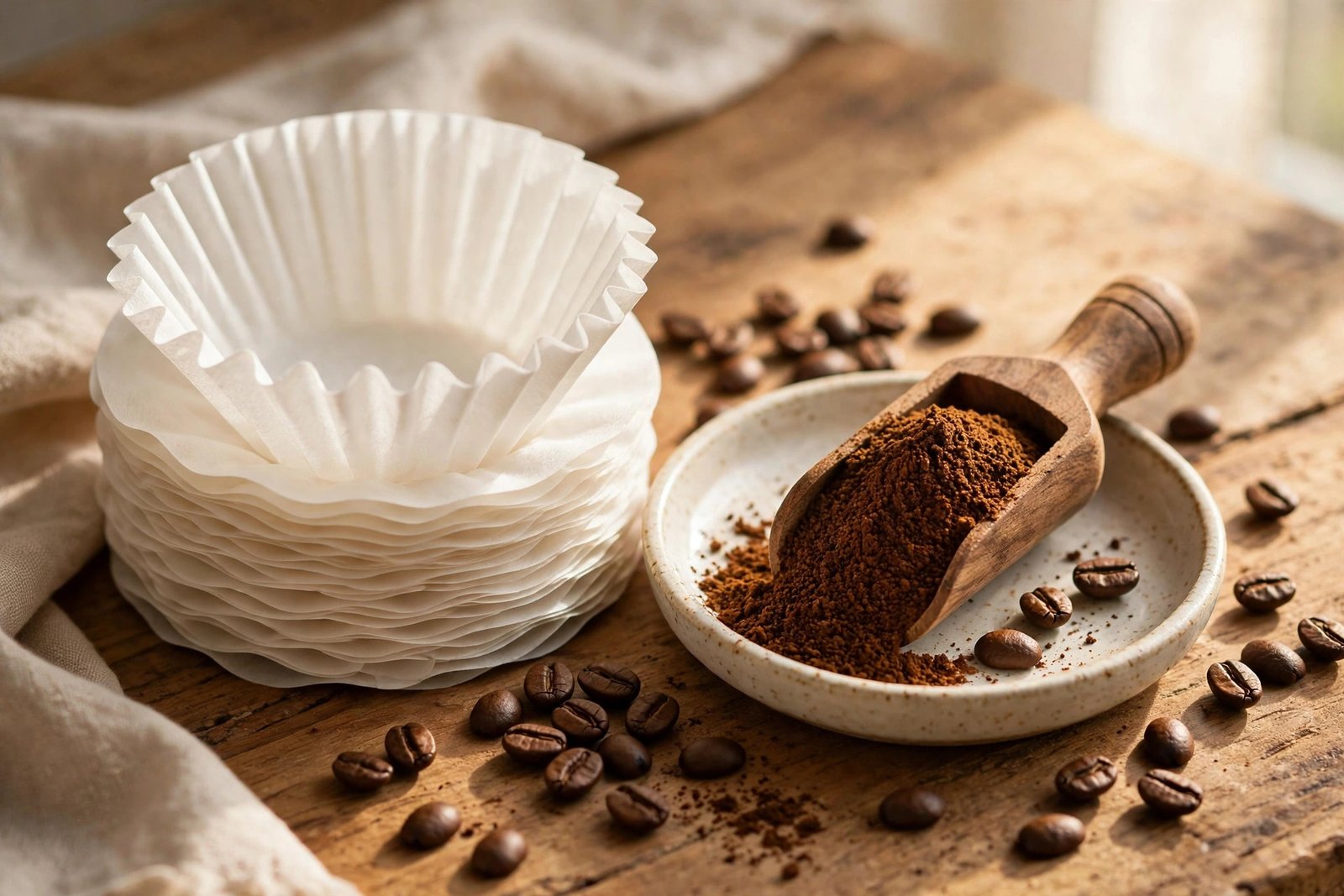
- Grind medium, grind fresh. Medium grind (like coarse sand) suits drip perfectly. Pre-ground coffee stales in days, and drip’s gentle extraction magnifies staleness. A budget burr grinder is the highest-impact upgrade in home coffee.
- Descale monthly. Equal parts white vinegar and water, run a full cycle, then two plain-water cycles. Mineral buildup lowers brew temperature — a descaled $30 machine out-brews a scaled-up $100 one.
- Rinse the paper filter. Run hot water through the filter before adding grounds. It washes out papery taste and preheats the basket — thirty seconds for a cleaner cup.
- Don’t let it sit on the hot plate. Coffee on a hot plate tastes burnt within 30 minutes. Brew what you’ll drink, or decant leftovers into a thermos. This habit fixes more “bad coffee” complaints than any machine upgrade.
FAQs
Do expensive drip machines actually make better coffee? Up to a point, yes — machines that brew at the right temperature (195–205°F) with even water distribution genuinely taste better. But the curve flattens fast: the jump from a $30 machine to an $80 one is bigger than from $80 to $200. And no machine fixes stale coffee or a bad ratio.
Why does my drip coffee taste bitter? Usually one of three things: coffee sitting too long on the hot plate (the #1 cause), too-fine a grind over-extracting, or a scaled-up machine running too cool then you compensating with extra grounds. Fix in order: drink it fresh, grind medium, descale.
Glass carafe or thermal carafe — which is better? Thermal, for taste. Glass carafes need a hot plate, and hot plates cook coffee into bitterness. Thermal keeps coffee hot for hours with no plate. The catch: thermal carafes cost more and you can’t see the coffee level. If you drink the pot within 30 minutes, glass is fine.
Can I brew a half pot in a 12-cup machine? You can, but the coffee will be weaker — most machines are tuned for full pots, and small batches under-extract. For regular small brewing, use the 1:16 ratio but expect a milder cup, or consider a 2-way brewer’s single-serve side for exactly-sized cups.
How often should I descale my coffee maker? Monthly if you brew daily with tap water; every 2–3 months with filtered water. Signs you waited too long: slower brewing, lukewarm coffee, or a sour edge that wasn’t there before. Vinegar and water works; run two plain-water cycles after.
Conclusion
The best budget drip coffee maker is the one that fits your mornings: the Mr. Coffee for the tightest budget, the BLACK+DECKER for auto-brew on the cheap, the Hamilton Beach 2-Way for the divided household, and the Ninja CE251 for the best-tasting cup under $100. But whichever you choose — or keep — the $0 tune-up does more for your cup than any machine on this list. Fresh medium grounds, the right ratio, and a monthly descale turn even the humblest brewer into a genuinely good one.
Run the free tune-up this week, and if your mornings still need more — they might not — you’ll know exactly which machine earns your counter space.
Keep Brewing
- Best Budget Coffee Grinders Under $50
- DIY Coffee Station Under $100
- French Press vs Pour Over: Which Is Better for Your Home Café?
- Best Budget Cold Brew Makers (2026)
Part of the collection: This guide is part of our Budget Coffee Gear hub — 10 guides to brewing great coffee without spending a lot.