
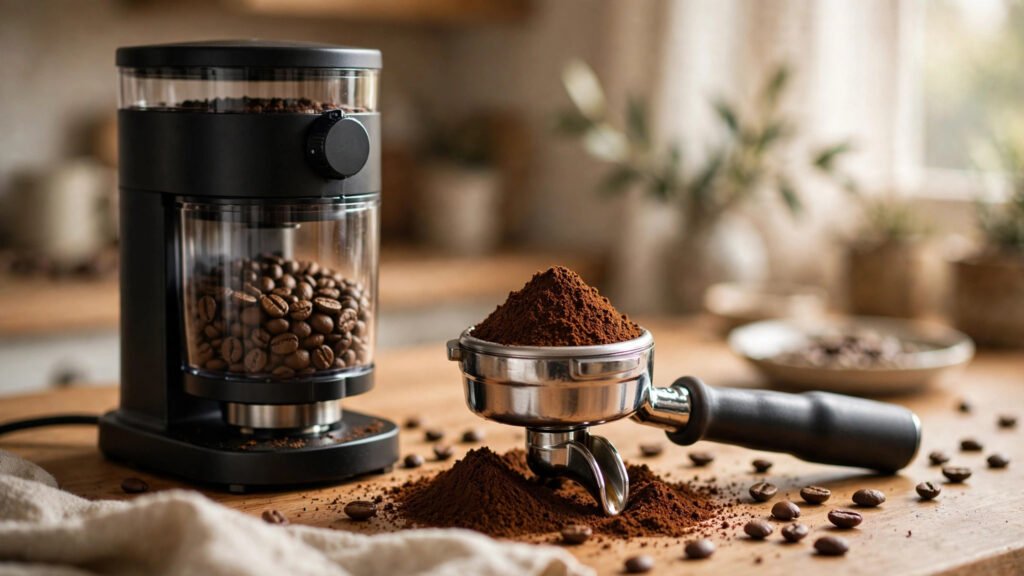
This guide is part of our budget coffee gear collection.
Here’s the uncomfortable truth most “best grinder” lists won’t print: almost every grinder under $50 — including the ones in our own best budget coffee grinders under $50 roundup — cannot grind fine enough for real espresso. They’re excellent for drip, pour-over, and French press. But espresso needs a powder-fine, perfectly even grind, and that takes different engineering. So this is the honest version: the best budget coffee grinder for espresso, seven picks that can actually pull a shot, ranked by how they handle the one job that matters.
Why Espresso Is So Picky About Grind
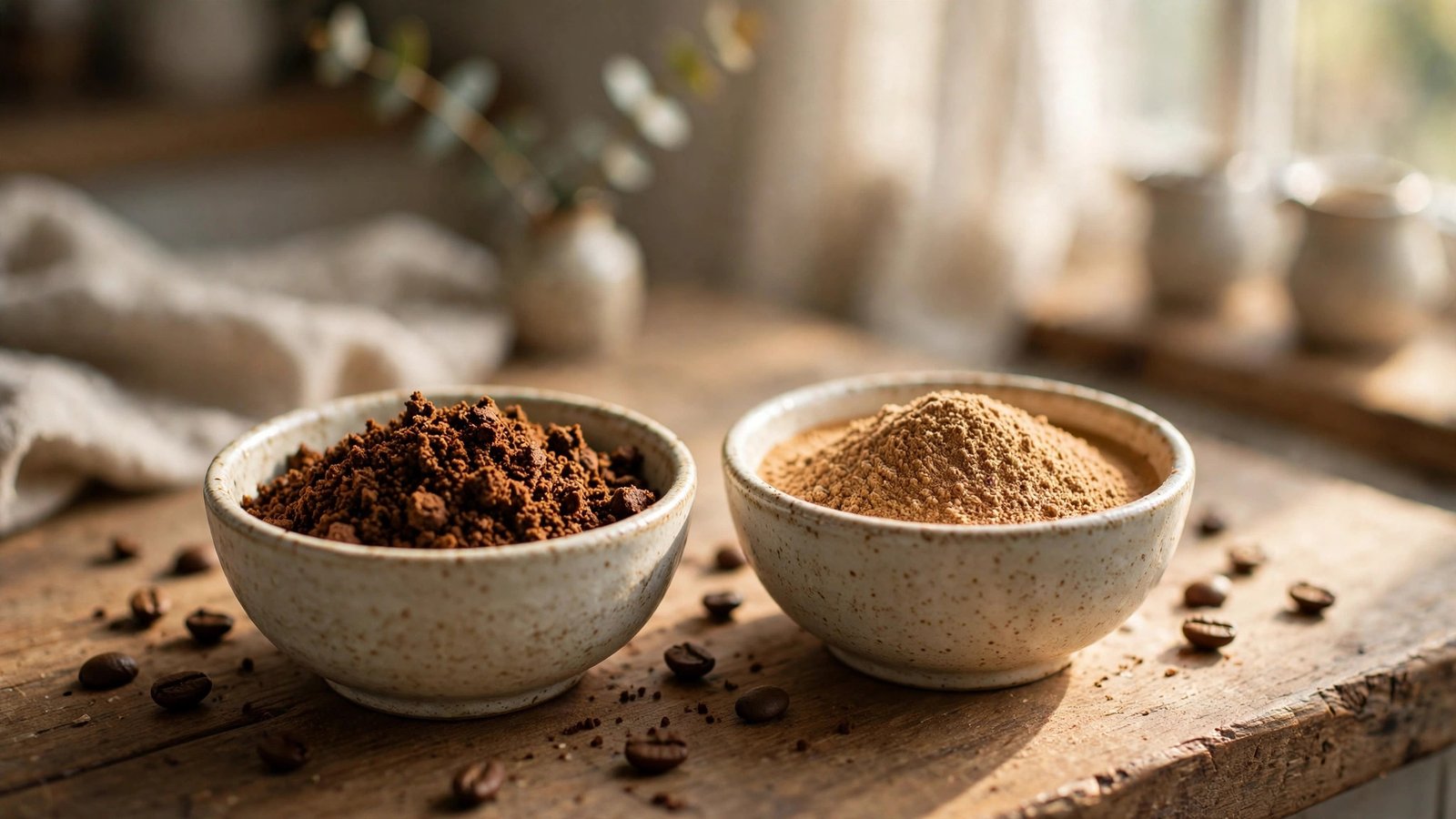
Espresso brews in 25–30 seconds under nine bars of pressure. That’s brutally fast — which means the grind has to do enormous work. Too coarse and the water rushes through: sour, thin, no crema. Too uneven and you get channeling — water finds the easy paths, over-extracting some grounds and ignoring others. The result tastes simultaneously sour and bitter, which is the signature of a grinder that isn’t up to the job.
Drip coffee forgives a mediocre grind because it brews for minutes. Espresso forgives nothing. That’s why the budget conversation is different here: “budget” for espresso means roughly $100–230, not $30–50. Below that line, the honest answer is a hand grinder — which, as you’ll see, punches absurdly far above its price.
What the Best Budget Coffee Grinder for Espresso Must Do
Grind fine enough — with room to spare. The grinder’s finest setting should be finer than you need, so your actual espresso setting sits in the middle of its range, not maxed out at the edge. A grinder straining at its limit produces more fines and clumps.
Step-less or micro-stepped adjustment. Espresso dialing-in lives between the clicks of a stepped grinder. The best budget options offer either continuous (step-less) adjustment or very small steps — this is the single biggest difference between “espresso-capable” and “espresso-marketed.”
Low retention and manageable static. Fine grinding creates static; static creates clumping and messy counters. Anti-static design or a simple dosing cup routine (a spritz of water — the Ross droplet technique) keeps it civilized.
Consistent burrs. Conical or flat steel burrs, properly aligned. This is where hand grinders embarrass electrics: a $99 hand grinder often has better burr geometry than a $150 electric.
Best Budget Coffee Grinder for Espresso: 7 Picks
1. Baratza Encore ESP — the electric default (~$200). Baratza took America’s favorite entry grinder and gave it a finer adjustment range specifically for espresso. It’s the safest recommendation on this list: repairable (Baratza sells every part), consistent enough for real shots, and it still does pour-over well when you’re not pulling espresso. If you want electric and don’t want to think hard, this is the answer.
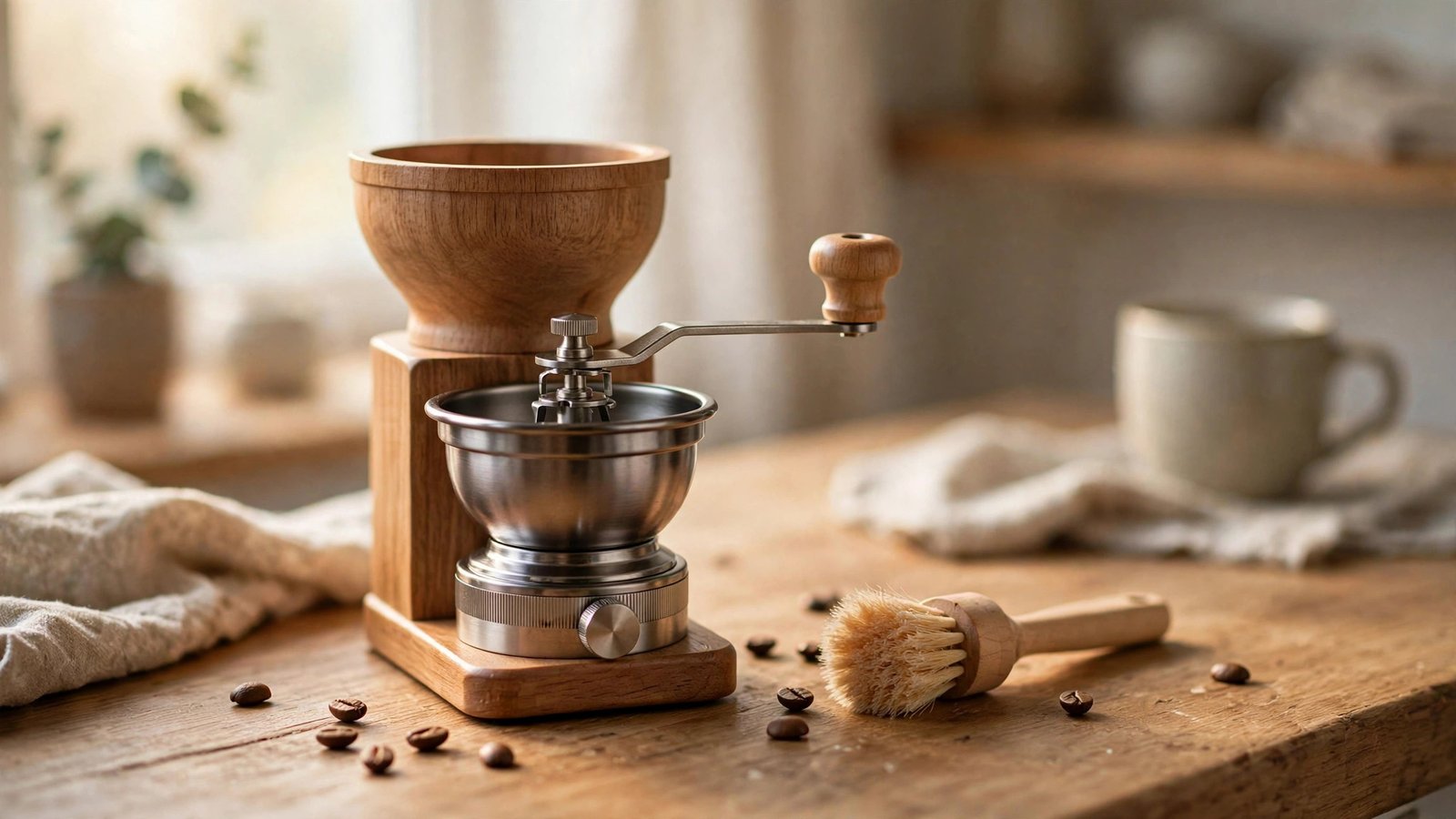
2. 1Zpresso JX-Pro — the hand grinder king (~$160). The open secret of budget espresso: this hand grinder out-grinds electrics costing twice as much. Steel burrs, precise click adjustment (12.5 microns per click — genuinely espresso-grade), and a build that feels like it will outlive you. The catch is your arm: 30–40 seconds of cranking per double shot. Espresso people consider this a warm-up.
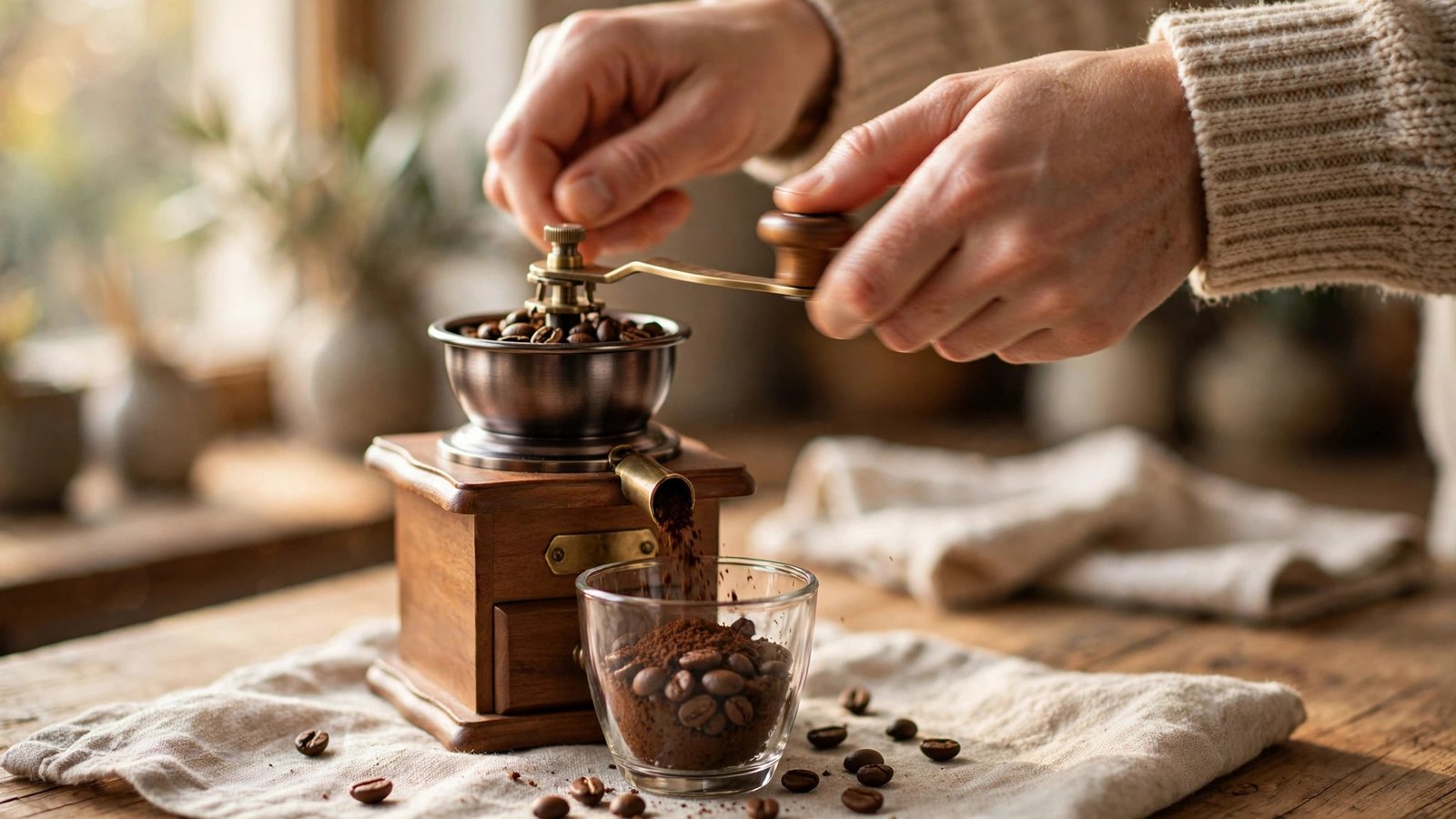
3. Kingrinder K6 — the budget hand pick (~$99). Ninety percent of the JX-Pro’s performance at sixty percent of the price. Slightly less refined adjustment, slightly more effort per grind, but it absolutely reaches espresso fineness with even particle distribution. For the price of two bags of specialty beans, it’s the cheapest legitimate entry into real espresso grinding.
4. Breville Smart Grinder Pro — the beginner-friendly electric (~$200). Dosing presets, a huge grind range, and an interface your non-coffee-obsessed partner can actually use. Purists will note its stepped adjustment is coarser than ideal for dialing in — true — but for milk drinks and forgiving medium roasts it’s a friendly, capable pick. Best for: households where espresso is one of several brew methods.
5. Eureka Mignon Crono (espresso burr version) — the Italian step-up (~$230). Stretching “budget,” but Eureka’s 50mm flat burrs are genuinely excellent — quiet, fluffy grounds, beautiful consistency. Make sure you get the espresso-burr version (the standard Crono ships with filter burrs). This is the “buy once” pick: the grinder you won’t outgrow.
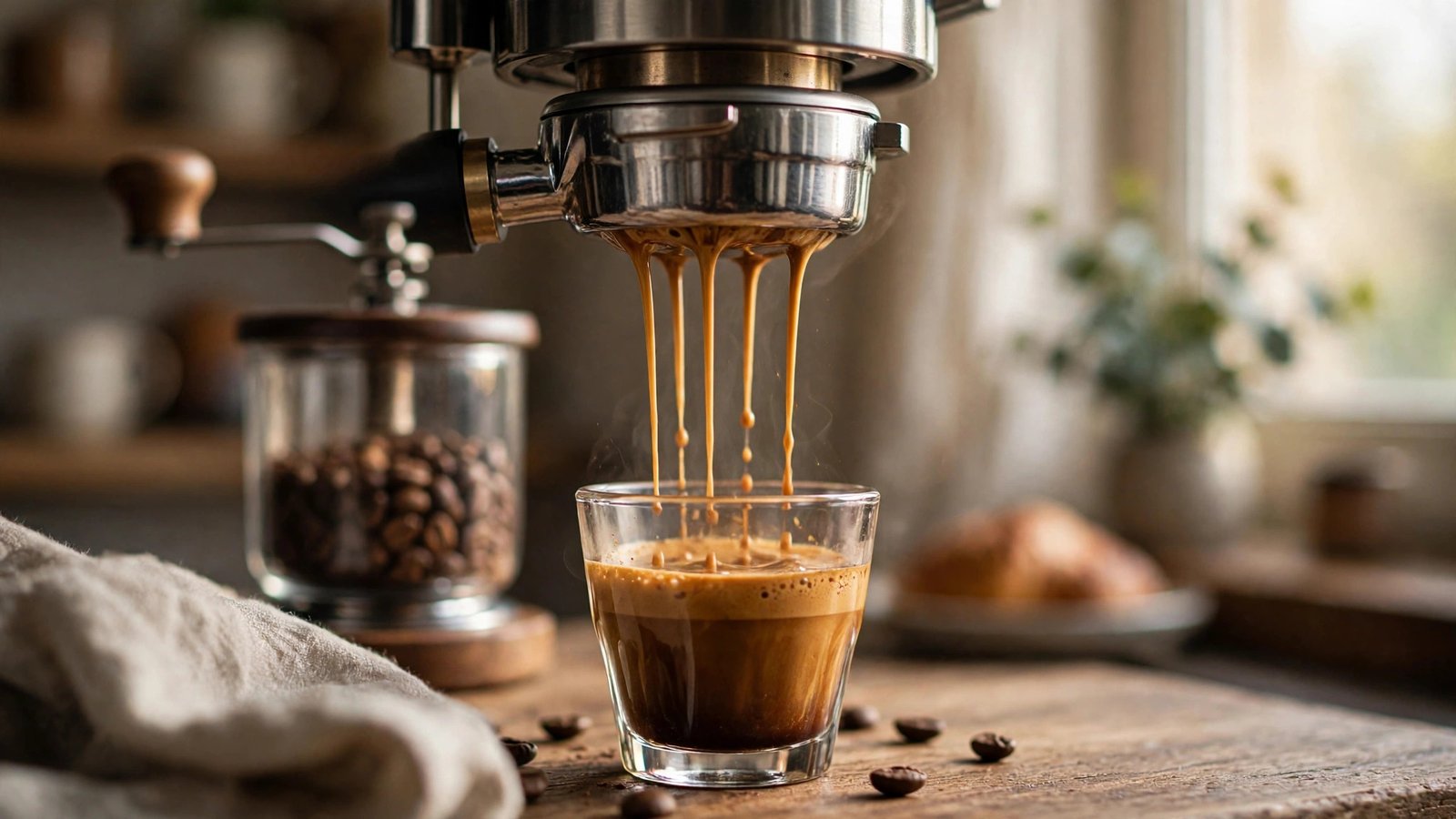
6. Timemore Sculptor 064S — the modern flat-burr pick (~$200). 64mm flat burrs at this price was unthinkable five years ago. Quiet, low retention, and the variable RPM lets you tune flavor. Newer brand with a shorter repair track record than Baratza or Eureka — but the grind quality per dollar is outstanding.
7. Timemore Chestnut C3 ESP — the travel-friendly hand pick (~$90). The cheapest grinder on this list that I’d actually pull a shot with. Compact enough for travel, with an espresso-tuned adjustment range the standard C3 lacks. Grind speed is slower than the JX-Pro and the K6, but for one daily shot it’s perfectly livable — and it fits in a carry-on.
What to Avoid

Blade grinders. They don’t grind — they smash. The result is boulders mixed with dust, which is the exact opposite of what espresso needs. Fine for spice emergencies; never for espresso.
Sub-$50 electrics marketed “for espresso.” Some budget electrics print “espresso” on the box because the dial goes to a setting labeled “fine.” The burrs and motor behind that label can’t produce a usable espresso grind — you’ll get channeling, sour shots, and frustration. Our under-$50 roundup is honest about this: those picks are for drip and pour-over, where they’re genuinely great.
Any grinder you can’t adjust finely. If the jump between settings is huge, you’ll live in the gap between “choked” and “gushing” forever. Adjustment resolution matters more than brand name at this price.
Hand Grinder vs Electric: The Honest Math
Under $150, hand grinders win on grind quality — it’s not close. A $99–160 hand grinder has burr geometry comparable to a $250+ electric. What you pay for with electric is convenience: push-button grinding, especially for multiple drinks or decaf-plus-regular households.
The decision rule: if you pull 1–2 shots a day and don’t mind 40 seconds of cranking, buy the hand grinder and put the savings toward better beans (or toward the espresso machine itself). If you’re making milk drinks for a household, or you just hate manual labor before caffeine, the Encore ESP or Smart Grinder Pro earns its price in daily convenience. And if you’re still deciding whether espresso is even your thing, our guide to making espresso without an espresso machine lets you test the waters first.
Frequently Asked Questions
Can I use a regular coffee grinder for espresso?
Only if it can grind genuinely fine with small adjustment steps. Most “regular” grinders top out at a fineness suited for drip — which produces sour, fast-pulling shots. The test: if your shots run under 20 seconds no matter how fine you set it, the grinder is the limiting factor, and no technique fixes that.
What is the best budget coffee grinder for espresso under $100?
The Kingrinder K6 (~$99) or Timemore Chestnut C3 ESP (~$90) — both hand grinders, both genuinely espresso-capable. There is no electric grinder under $100 we’d recommend for real espresso; the engineering isn’t there at that price.
Do I really need an expensive grinder for espresso?
You need a capable one, not an expensive one. The $99–200 range on this list pulls genuinely good shots. What you can’t do is go below ~$90 and expect espresso — that’s the floor where the physics stops cooperating.
How often should I clean an espresso grinder?
Fine grinding creates more residue than coarse grinding. Brush out the burr chamber weekly, deep-clean monthly. Our step-by-step grinder cleaning guide covers both blade and burr models — stale oils are the silent killer of good espresso.
The Bottom Line
The best budget coffee grinder for espresso isn’t the cheapest grinder with “espresso” on the box — it’s the one whose burrs and adjustment can actually do the job. Under $150, that’s a hand grinder (JX-Pro or K6); if you want electric, the Encore ESP is the default for a reason. Match the grinder to your shot count, keep the burrs clean, and spend what you saved on beans worth grinding. Your espresso will thank you every single morning.
Part of the collection: This guide is part of our Budget Coffee Gear hub — 10 guides to brewing great coffee without spending a lot.