

This guide is part of our budget coffee gear collection.
A café cold brew runs $4–$6 a cup. Make it at home with one of the best budget cold brew makers, and you’re looking at well under $1 a glass — smooth, low-acid, naturally sweet coffee that waits in your fridge whenever you want it. Cold brew is also the easiest coffee method to get right: no technique, no expensive gear, no 6 a.m. precision. Coarse grounds, cold water, time, done.
But should you buy a dedicated cold brew maker, or just use a mason jar you already own? Below: the four most popular budget cold brew makers — all real products you can buy today — with honest pros, cons, and who each one suits, plus the $0 DIY method for comparison. Prices shift with sales, so we use ranges rather than exact numbers.
What to Look for in a Cold Brew Maker
Cold brew makers all do the same job — steep coarse grounds in cold water — but the design details matter more than you’d think. Here’s what separates the best budget cold brew makers from forgettable ones:
- Brew style: pitcher vs. concentrate brewer. Pitcher-style makers (Takeya, Hario, Primula) make ready-to-drink coffee you pour straight over ice. Concentrate brewers (OXO, Toddy-style) make a strong concentrate you dilute 1:1 with water or milk — more servings per batch, more fridge efficiency.
- Filter quality. A fine-mesh reusable filter is the heart of the maker. Fine mesh means less sediment and grit in your cup; cheap coarse filters mean sludge. All four makers below come with reusable filters — no paper waste.
- Capacity. A 1-quart (about 4 cups) pitcher suits a solo drinker for 2–3 days. If your household drinks iced coffee daily, look for 2-quart capacity or plan to brew twice a week.
- Fridge footprint. Tall, narrow pitchers fit fridge door shelves. Wide concentrate brewers hog shelf space. Measure your fridge door before you buy.
- Cleaning. Grounds are messy. A filter that lifts out cleanly and parts that rinse or go in the dishwasher will decide whether you actually keep brewing — or let the thing collect dust.
- Material. Glass is inert and won’t pick up flavors, but it breaks. BPA-free plastic (Takeya-style) is fridge-proof and kid-proof. Both work; pick for your household reality.
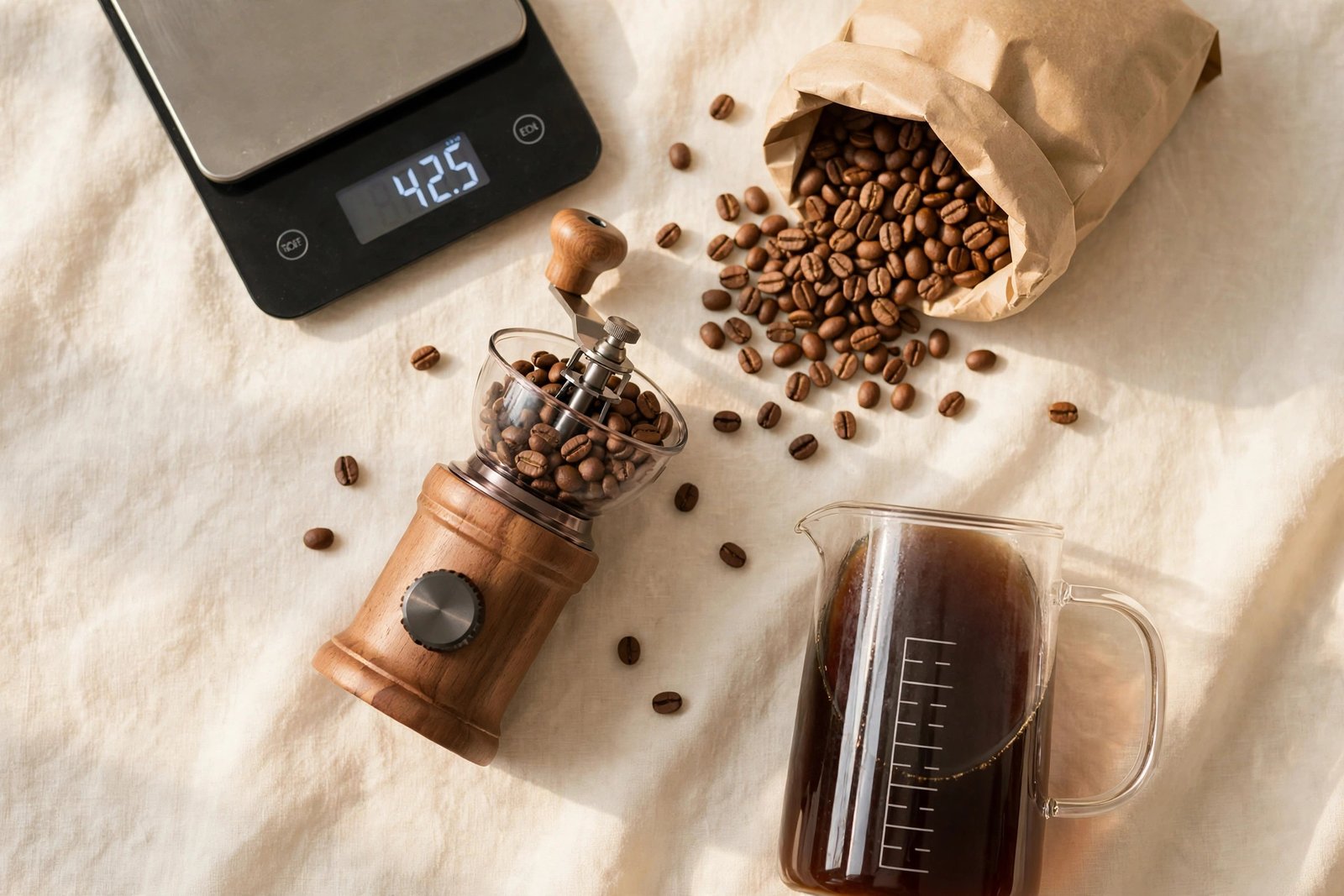
The golden rule of cold brew: the maker matters far less than the coffee. Fresh beans, ground coarse right before brewing, beat any $60 brewer filled with pre-ground supermarket coffee.
The Reviews: Best Budget Cold Brew Makers
1. Takeya Cold Brew Iced Coffee Maker — Best Overall Budget Pick
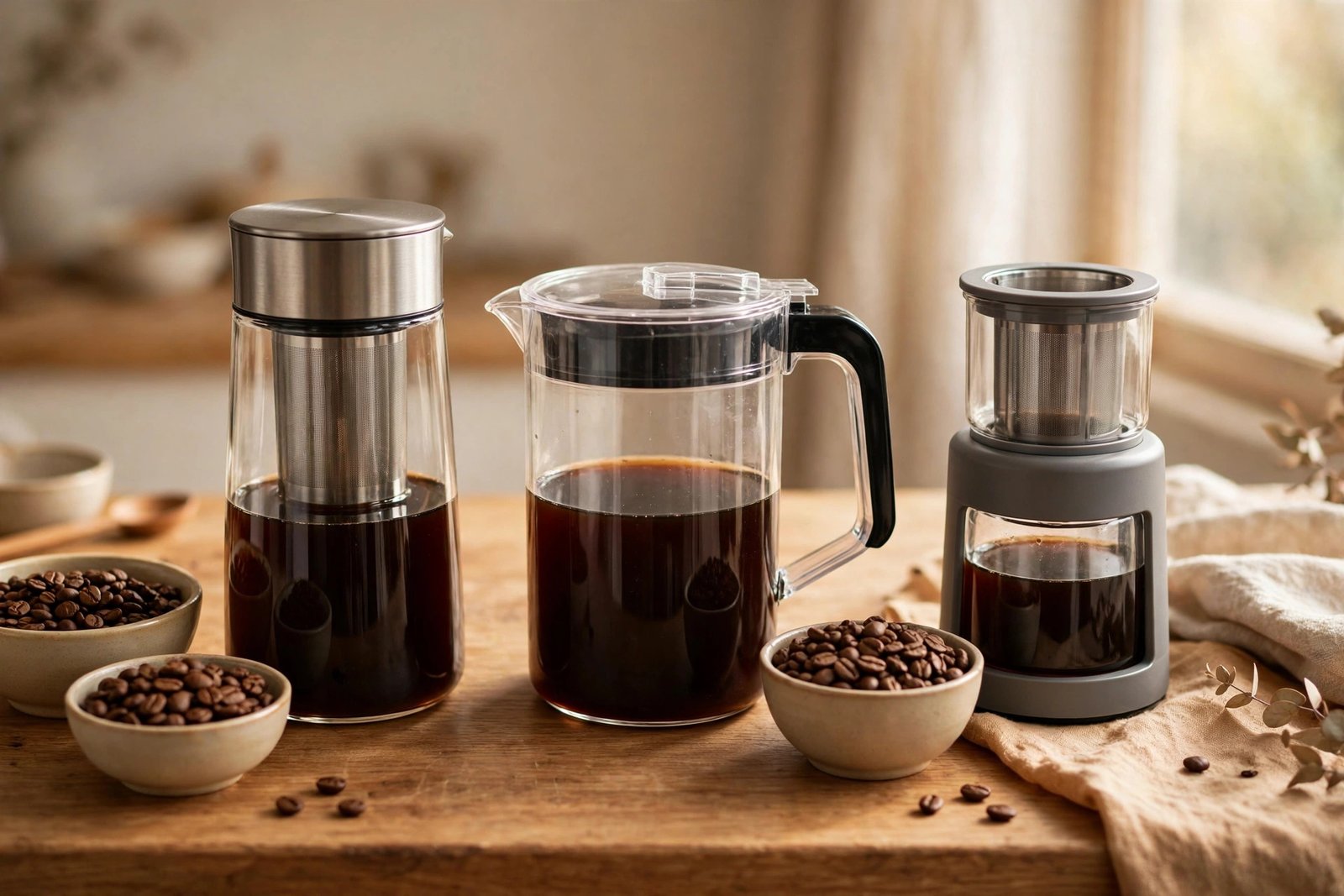
The Takeya is the default recommendation in every cold brew conversation, and it earns it. It’s a BPA-free plastic pitcher with a fine-mesh filter basket, an airtight lid, and a silicone-grip handle — simple, sturdy, and almost indestructible. The fine mesh keeps grounds out of your cup better than most competitors at this price.
Pros: – Usually $18–$26 for the 1-quart, $25–$35 for the 2-quart — excellent value per cup – Airtight lid keeps brew fresh in the fridge for up to 2 weeks – Fine-mesh filter produces clean, grit-free cold brew – Dishwasher-safe parts and a compact fridge-door footprint – The 2-quart size makes a full week of cold brew for one daily drinker
Cons: – Plastic body, not glass — some tasters swear glass gives a purer flavor (honestly, most people can’t tell) – The filter basket can be fiddly to empty and rinse; grounds cling to the mesh – Makes ready-to-drink brew, not concentrate — you get fewer servings per batch than a concentrate brewer
Best for: Anyone buying their first cold brew maker. Cheap, reliable, and forgiving — the safest pick on this list.
2. Hario Mizudashi Cold Brew Coffee Pot — Best for Minimalists
The Mizudashi is the design pick: a slim glass carafe with a fine-mesh filter basket, straight from the Japanese company behind the V60 dripper. It makes a 1-liter (about 4 cups) batch of ready-to-drink cold brew in 8–12 hours, and it looks beautiful sitting on your counter or fridge shelf.
Pros: – Usually $20–$25 — one of the cheapest real cold brew makers you can buy – Elegant glass design; brews directly in the serving carafe – Slim enough to fit in a fridge door – Simple assembly and minimal parts to clean – The fine-mesh filter is genuinely good for the price
Cons: – Glass breaks — one slip on a tile floor and it’s over – 1-liter capacity is small for households of two or more cold brew drinkers – Brews a lighter, ready-to-drink cup rather than concentrate; heavy iced-coffee drinkers may want stronger – The filter basket can drip grounds on its way to the trash — have a plan (or a compost bin) ready
Best for: Solo drinkers and design lovers who want the prettiest cold brew maker that still costs less than a week of café cold brew.
3. OXO Good Grips Cold Brew Coffee Maker — Best for Concentrate
The OXO is the premium-feeling pick of the budget bunch: a borosilicate glass carafe with measurement markings, an ultra-fine stainless steel mesh filter, and the signature “Rainmaker” lid that distributes water evenly over the grounds. A flip of a switch drains the concentrate into the carafe with almost no mess.
Pros: – Usually $50–$60 — the priciest here, but the design justifies it – Makes true concentrate: dilute 1:1 and one batch stretches much further – The Rainmaker top gives even saturation — fewer sour or uneven patches – Switch-activated draining is genuinely mess-free; the drain stops automatically if you lift the carafe – Glass carafe with measurement markings makes portioning easy
Cons: – At $50–$60 it’s triple the price of a Takeya for what is, fundamentally, the same coffee – Concentrate brewing demands more counter space and a taller fridge shelf – Multiple parts to wash versus a simple pitcher — slightly more cleanup per batch
Best for: Cold brew devotees who go through a lot of it, love concentrate versatility (hot or cold, black or milky), and want the cleanest, most mess-free brewing process.
4. Primula Cold Brew Coffee Maker — Best Large-Batch Pitcher
Primula’s cold brew pitchers (often sold as the Burke Deluxe or similar 1.6-quart models) are the workhorse pick: a big BPA-free plastic pitcher with a mesh filter core and a spigot for easy pouring. Usually found in the $25–$35 range, it’s the budget way to brew a lot at once.
Pros: – Usually $25–$35 for a generous 1.6-quart (about 6-cup) capacity – The spigot makes serving easy without lifting a heavy pitcher – Simple steep-and-pour design with a reusable mesh filter – Wide availability at Target, Walmart, and Amazon
Cons: – Bulkier than the Takeya or Hario — check your fridge shelf height – The spigot adds a potential leak point over time; rinse it well – Filter mesh is decent but not as fine as the Takeya’s — expect slightly more sediment – Lid seal is less airtight than the Takeya’s
Best for: Couples, families, or party hosts who want one big batch that serves a crowd — and pair it with an iced coffee bar setup for summer gatherings.
5. The Mason Jar Method — The $0 Option
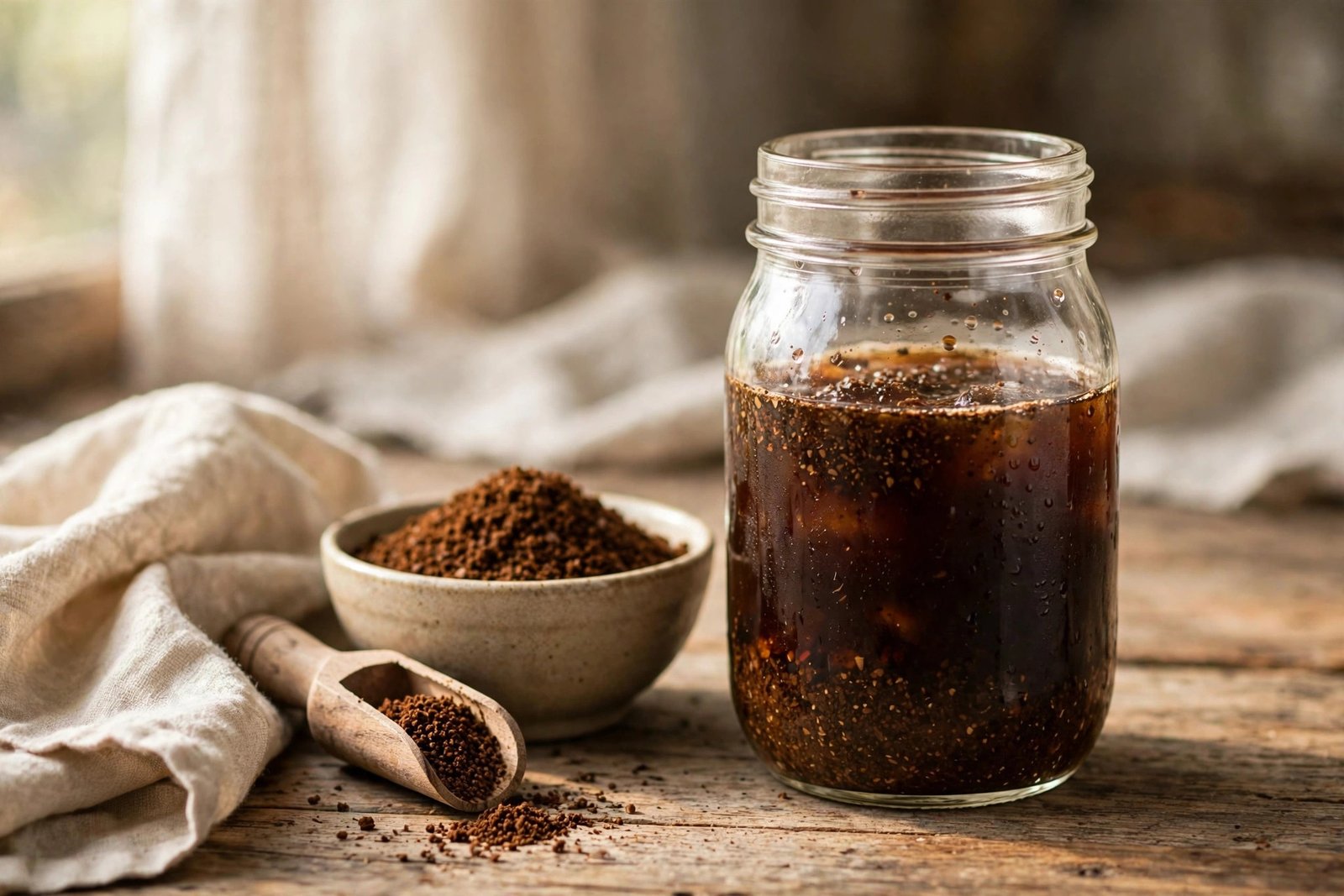
Before you buy anything: you already own a cold brew maker. It’s a quart-size mason jar (or any jar with a lid). Add ¾ cup coarse grounds, fill with cold filtered water, stir, lid, fridge, 12–16 hours — then strain through a regular coffee filter set in a fine-mesh sieve.
Pros: – $0 — you own everything already – Makes the exact same coffee as a $25 pitcher; the maker never touched the flavor – Zero new plastic in your kitchen
Cons: – Straining is the whole hassle: it takes 5–10 minutes, makes a mess, and fine sediment still sneaks through unless you double-strain – No airtight-seal guarantee and no pour-friendly spout – Fine grounds in your cup if your grinder produces a lot of dust (grind coarse and skip the blade grinder’s powder)
Best for: Skeptics who want to try cold brew before spending a dime — or minimalists who’d rather own one less gadget. If you find yourself straining jars every three days, that’s your signal to buy one of the best budget cold brew makers — the Takeya is the natural next step.
Quick Comparison
| Maker | Typical price | Batch size | Brew style | Standout strength |
|---|---|---|---|---|
| Takeya Cold Brew Maker | $18–$26 (1 qt) / $25–$35 (2 qt) | 4–8 cups | Ready-to-drink | Best value, airtight, dishwasher-safe |
| Hario Mizudashi | $20–$25 | About 4 cups | Ready-to-drink | Minimalist glass design, cheapest glass option |
| OXO Good Grips | $50–$60 | About 4–5 cups concentrate | Concentrate | Mess-free draining, even saturation |
| Primula Cold Brew Pitcher | $25–$35 | About 6 cups | Batch-friendly | Biggest budget batch, easy-pour spigot |
| Mason jar method | $0 | 4 cups | Ready-to-drink | Free — the baseline everything beats on convenience |

5 Tips for Better Cold Brew
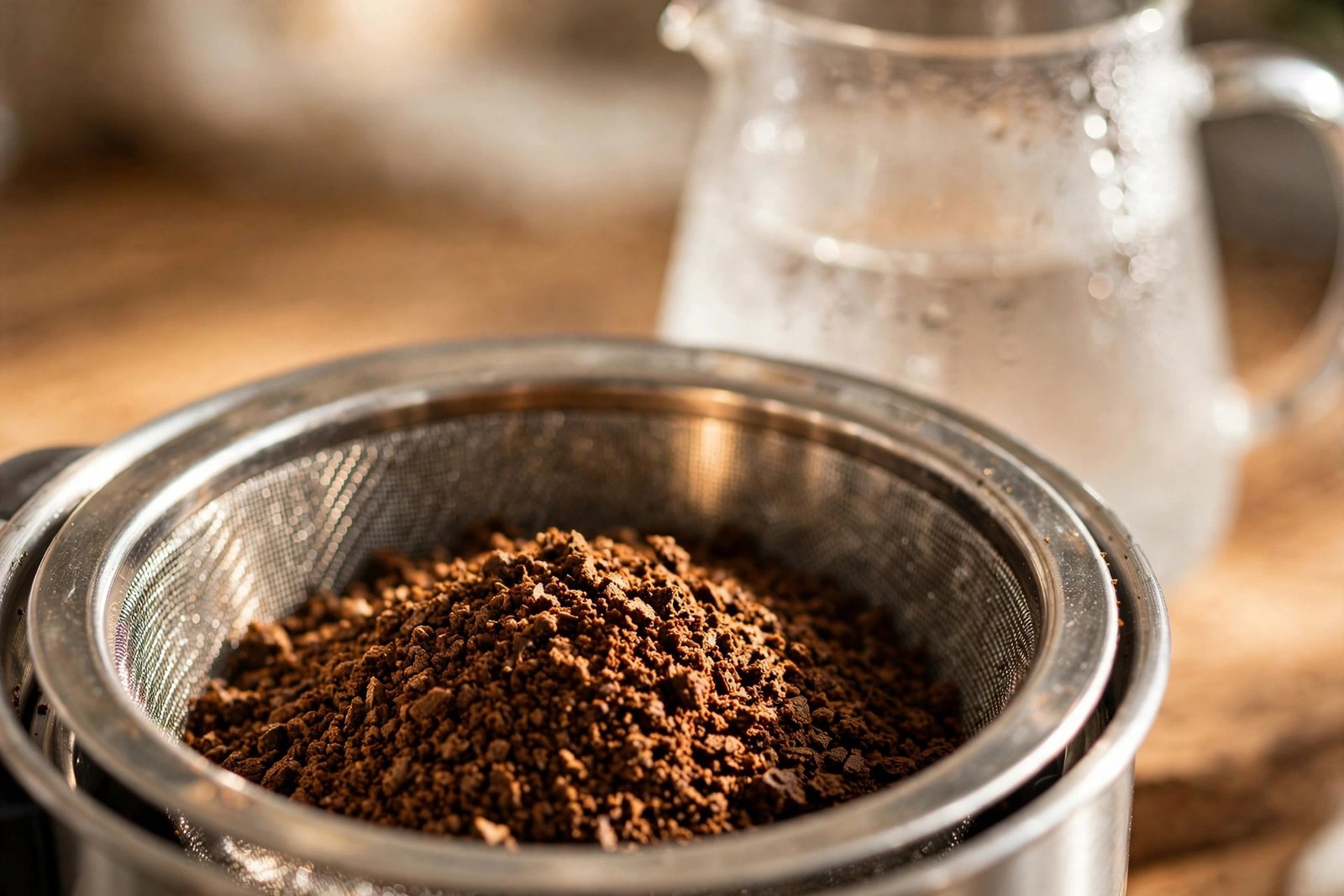
- Grind coarse — really coarse. Think raw sugar, not sand. Fine grounds over-extract into bitterness and slip through filters as sludge. A burr grinder set to its coarsest setting is ideal; if you only have a blade grinder, pulse in short bursts.
- Use the 1:8 ratio for ready-to-drink, 1:4 for concentrate. That’s 1 part coffee to 8 parts water by weight for sipping-strength brew (about ¾ cup grounds per quart), or 1:4 for concentrate you dilute later. A kitchen scale removes all guesswork.
- Steep 12–16 hours, no more. Under 10 hours tastes thin and sour; past 18 hours turns woody and bitter. Room temperature steeps a bit faster than fridge steeps — pick one and stay consistent.
- Start with filtered water. Cold brew is ~98% water and nothing masks off-flavors at this extraction. If your tap water tastes off, your cold brew will too.
- Grind fresh, right before brewing. Pre-ground coffee stales fast, and cold brew’s long steep magnifies staleness into flat, cardboard notes. Grinding the morning you start a batch is the single biggest flavor upgrade — bigger than any brewer on this list.
FAQs
Is making cold brew at home actually cheaper than buying it? Dramatically. A café cold brew costs $4–$6. A quart of homemade runs about $0.75–$1.50 in beans. If you drink cold brew four times a week, a $25 Takeya pays for itself in under two weeks — then every cup after that is nearly free.
How long does homemade cold brew last in the fridge? Up to 2 weeks in a sealed, airtight container, though it tastes best in the first week. Concentrate keeps longer than ready-to-drink. If it smells off or tastes stale and flat, toss it — coffee grounds are perishable once brewed.
What’s the best coffee-to-water ratio for cold brew? For ready-to-drink cold brew: 1:8 (about ¾ cup coarse grounds per quart of water). For concentrate: 1:4, then dilute 1:1 with water or milk when serving. Start with these, then adjust — stronger or lighter is purely personal taste.
Can I use regular pre-ground coffee for cold brew? You can, but coarse grind matters. Standard drip-grind coffee is too fine: it over-extracts (bitter) and clogs filters (messy, silty cup). If pre-ground is all you have, steep on the shorter side (10–12 hours) and double-strain. Whole beans + a grinder is the real upgrade.
Can I heat up cold brew? Yes — cold brew concentrate diluted with hot water or hot milk makes an excellent smooth, low-acid hot coffee. It’s a gentler cup than hot-brewed for sensitive stomachs. Just don’t boil the concentrate; heat gently to preserve the sweetness.
Conclusion
Cold brew is the rare coffee method where the cheapest option is nearly as good as the priciest one. Start free with the mason jar method to prove the habit, then buy the Takeya when straining gets old — it’s the best value in cold brew, full stop. The Hario is for design lovers, the OXO is for concentrate devotees who want the cleanest process, and the Primula serves the whole household. Whichever you pick, fresh coarse grounds and a 12–16 hour steep will do more for your cup than the logo on the pitcher.
Brew your first batch this weekend, and if it beats the café line — it will — come back and tell us which maker earned a permanent spot in your fridge.
Keep Brewing
- Iced Coffee Bar Setup: Summer Party Station Ideas
- French Press vs Pour Over: Which Is Better for Your Home Café?
- How to Make Vanilla Syrup for Coffee at Home (5 Minutes)
- Homemade Caramel Syrup for Coffee (Starbucks-Style, Without the Price)
Part of the collection: This guide is part of our Budget Coffee Gear hub — 10 guides to brewing great coffee without spending a lot.